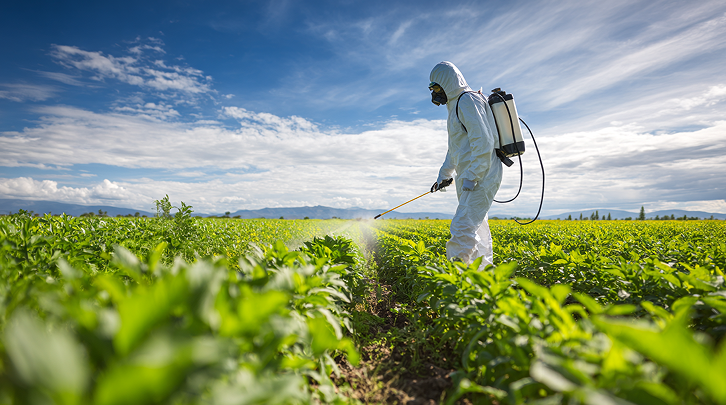
How Disposable Nonwoven Coveralls Function as Pesticide Barriers Fiber Structure, Pore Size, and Electrostatic Binding in Pesticide Resistance Nonwoven disposable coveralls offer protection from pesticides using both physical barriers and electrost...
VIEW MORE
Anthropometric Precision: The Foundation of Custom PPE Fit Key body measurements for ergonomic PPE product design To make custom PPE work properly, we need accurate body measurements covering over a dozen key areas like hand width, chest size, and ...
VIEW MORE
Regulatory Foundations: OSHA, EPA, and State Hygiene Rules for Disposable Kimonos OSHA bloodborne pathogens standard and its application to disposable kimono use OSHA's Bloodborne Pathogens Standard (29 CFR 1910.1030) sets requirements for protecti...
VIEW MORE
Why Doctor Cap Sterility Is Non-Negotiable for Surgical Site Infection Prevention The Science: Hair Shedding, Airborne Microbial Load, and OR Airflow Dynamics On average, human hair releases between 50 and 100 tiny particles every minute, many of w...
VIEW MORE
The Critical Importance of Beard Cover Sealing in Food Safety Contamination risks of unsealed facial hair in ready-to-eat food environments Facial hair that isn't properly contained presents serious contamination problems in food processing plants,...
VIEW MORE
Mob Cap Function and Critical Role in Cleanroom Contamination Control How mob caps prevent human-derived particulate and microbial contamination Mob caps act as essential barriers against contamination from people working in controlled environments...
VIEW MORE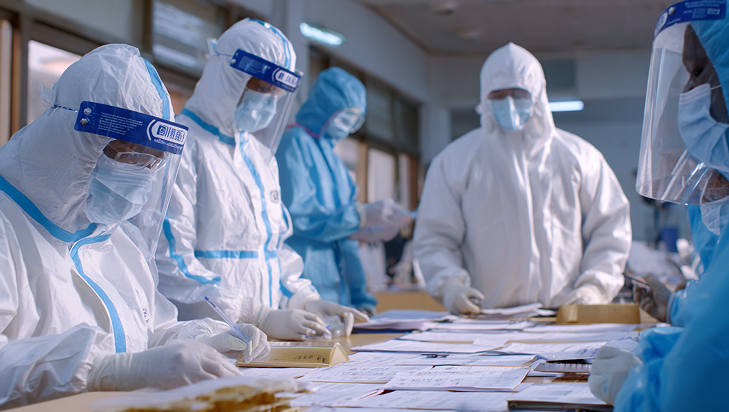
Understanding AAMI PB70-2022 Levels: Matching Isolation Gowns to Fluid Resistance Needs What Each AAMI Level 1–4 Means for Isolation Gowns in Clinical Settings The Association for the Advancement of Medical Instrumentation (AAMI) PB70-2022 st...
VIEW MORE
Pharmaceutical Lab Contamination Control Requirements USP and ISO 14644-1 Compliance: How They Define Apron Performance Criteria The rules governing aprons in pharmaceutical settings are pretty strict these days. According to USP , any apron mater...
VIEW MORE
Waterproof and Splash-Resistant Protection in Wet Food Processing Environments How CPE Gowns Block Liquids and Aerosols: Fluid Impermeability Through Polyethylene Construction Chlorinated polyethylene (CPE) gowns are pretty good at keeping workers ...
VIEW MORE
Biological Hazard Protection: EN 14126 and Viral/Bloodborne Barrier Standards EN 14126 requirements for microbial resistance in high-containment labs EN 14126, the European standard for protective clothing against infective agents, sets stringent p...
VIEW MORE
Waterproof and Splash-Resistant Performance During High-Moisture Operations CPE gowns hold up well in settings where employees get splashed regularly by liquids all day long. Think about those intense washdown sprays at poultry plants or the heavy ...
VIEW MORE
Understanding the Role of Disposable Hoods in Laboratory Safety The Importance of Disposable Hoods in Maintaining Sterile and Safe Lab Environments Disposable hoods are really important for keeping airborne stuff out of those delicate pharmaceutica...
VIEW MORE
Wuhan Raytex Protection Co., LTD offers a wide range of disposable non - woven and plastic PPE. Our products, including coveralls and shoe covers, are used in various industries. With multiple international certifications, we ensure high - quality. We support OEM & ODM, provide customized solutions, and have a large - scale factory. Exported globally, we\'re here to meet your PPE needs.
RM112, F11, 1 Corporate Avenue, No. 1505 Zhongshan Avenue, Jiang'an District, Wuhan City, Hubei Province, 430014, China
Copyright © 2025 by Wuhan Raytex Protection Co., LTD Privacy Policy
 EN
EN