
 EN
EN
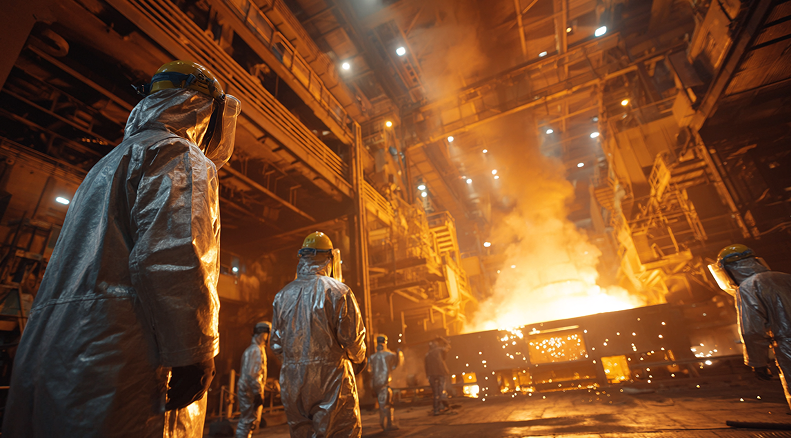
Anthropometric Precision: The Foundation of Custom PPE Fit
Key body measurements for ergonomic PPE product design
To make custom PPE work properly, we need accurate body measurements covering over a dozen key areas like hand width, chest size, and nose bridge shape so protective equipment actually fits right and moves with workers instead of getting in their way. Most standard sizing charts still go back to old military research done between the 1950s and 1970s. These studies only captured about 28 percent of people working today, as recent ergonomic studies show. When there's this kind of gap between what's available and real worker needs, safety takes a hit. Take gloves for example - if the fingers don't line up correctly at the seams, workers lose around 40% of their usual dexterity. And masks that don't fit well let in dangerous particles through gaps, somewhere between 15 to 20% leakage based on what industrial safety experts have found in their inspections.
| Measurement Priority | Impact on PPE Performance | Data Collection Method |
|---|---|---|
| Hand Circumference | Determines glove dexterity & cut resistance effectiveness | 3D laser scanning |
| Torso Length | Affects jacket coverage during overhead tasks | Motion-capture systems |
| Nasal Bridge Profile | Ensures seal integrity in respiratory protection | Photogrammetry |
Inclusive sizing strategies for diverse worker populations
Manufacturers at the forefront of their industry have started implementing gender neutral sizing charts that cover body measurements from the 5th to 95th percentile among different ethnic groups. This change happened faster than expected thanks to regulations such as Ontario's Regulation 213/91, specifically Section 21, which mandates equipment must fit properly considering all possible body shapes and sizes. Recent field research published last year indicates these new approaches cut down on workplace injuries related to improper fitting by about 31 percent. Workers aren't forced to tweak their safety gear anymore when it doesn't fit right, which was actually quite common practice before these changes took hold. What makes these programs really work well is how they bring together several important factors into one comprehensive solution.
- Digital body scanning stations at worksites
- Modular component systems enabling mix-and-match sizing
- AI-driven pattern generation for low-volume, high-fidelity production
Hazard-Driven Performance Specifications for Custom PPE Products
Aligning material properties with occupational hazard profiles
Choosing the right materials isn't just guesswork but needs solid hazard analysis behind it. For chemicals, we need non porous plastics that won't let molecules pass through them. Thermal dangers call for materials that either soak up heat or bounce it away, like phase change materials or good insulation. Silica dust and similar particles demand special filters with static charge properties to trap those tiny bits effectively. OSHA regulation 29 CFR 1910.132 basically says employers have to pair their gear specs with actual job site risks. Get this right and workers see about half fewer injuries compared to when they wear whatever happens to be available. The details matter though - how long someone is exposed, how intense the contact is, and what kind of environment they're working in all play roles. Take mechanics who need gloves resistant to petroleum products versus glass handlers who absolutely must avoid cuts from broken pieces. That's where specific materials like nitrile or Kevlar make all the difference.
Critical benchmarks: Cut resistance, chemical permeation, and thermal protection
Performance validation rests on three universal, standardized benchmarks:
- Cut resistance follows ANSI/ISEA 105-2024 (A1–A9), where A9-grade materials withstand ≥6,000 grams of blade force
- Chemical permeation is measured via breakthrough time per ASTM F739—industrial gloves must exceed 480 minutes against common solvents
- Thermal protection uses Thermal Protective Performance (TPP) ratings; arc flash suits, for instance, must exceed 40 cal/cm²
| Hazard | Test Standard | Minimum Threshold | Measurement Method |
|---|---|---|---|
| Cut/Slash | ANSI/ISEA 105-2024 | Level A4 (1,500g) | Tomodynamometer test |
| Acid Exposure | ASTM F739 | >30 min breakthrough | Permeation cell |
| Flash Fire | ASTM F2700 | 50% body burn prevention | Manikin simulation |
These thresholds are grounded in human physiology: skin sustains second-degree burns at 80°C within one second—making TPP-rated materials essential for delaying heat transfer to safe thresholds.
End-to-End Technical Workflow: From Measurement to Validated Custom PPE
Digital capture, 3D modeling, and performance-integrated prototyping
Custom PPE development nowadays starts with scanning bodies in 3D which gets rid of all those measurement mistakes people make when using tapes. The scanner data goes into computer design programs where engineers build virtual models that actually take into account how different materials behave when stretched, how they handle heat, and what layers provide proper protection. Smart software can now predict how gear will perform against real dangers such as chemicals getting through fabrics or electrical arcs long before anyone makes a physical sample. When it comes time for actual testing, advanced machines cut and print prototype equipment fitted with sensors that check things like airflow, movement freedom, and where pressure builds up on the body. This whole process from digital model to real product takes about 40 percent less time than traditional methods, and ensures workers get gear that fits properly and meets all safety certifications after going through several rounds of testing between virtual designs and physical samples.