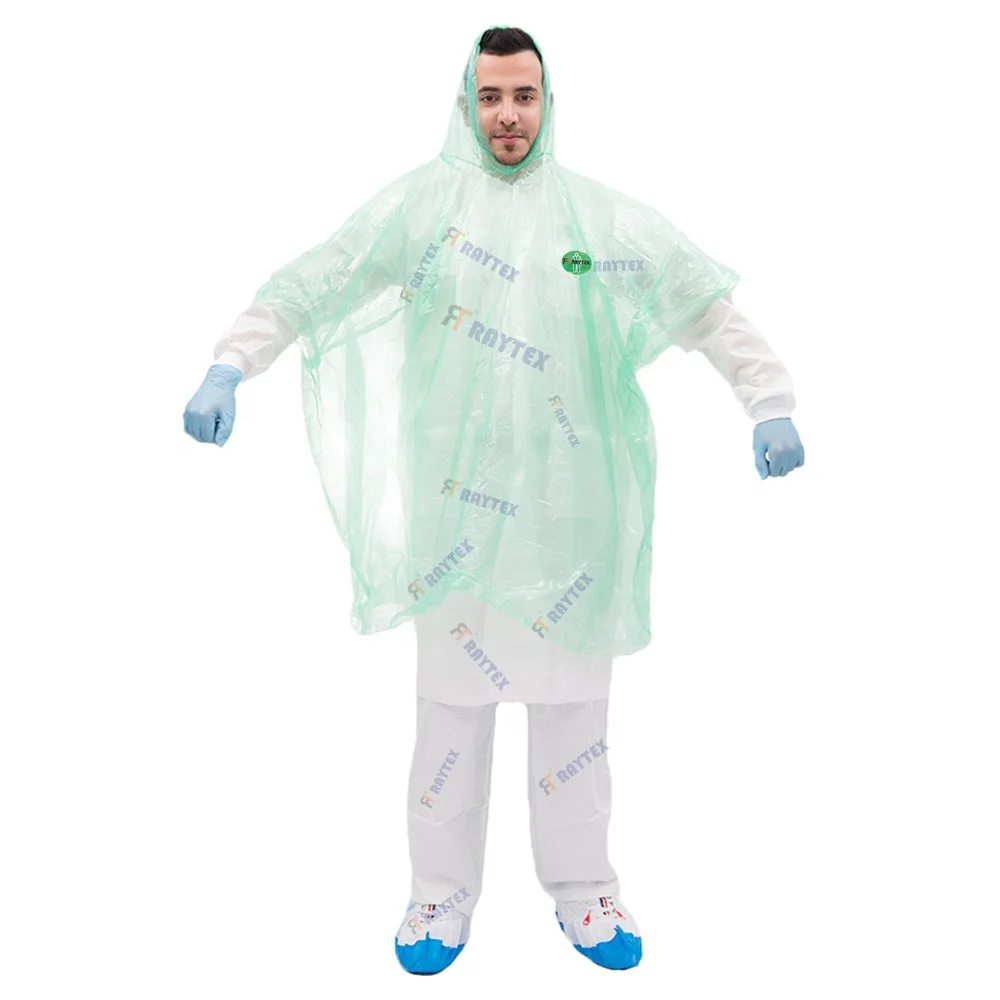
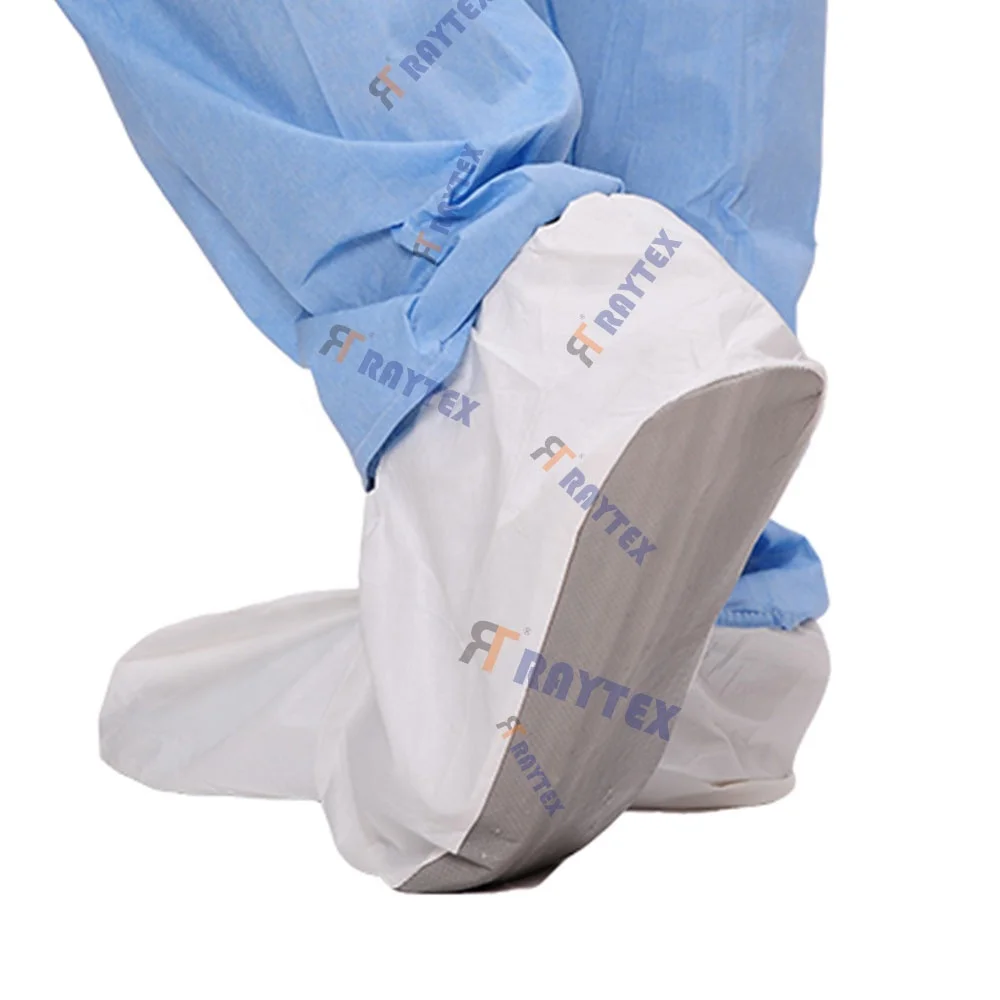
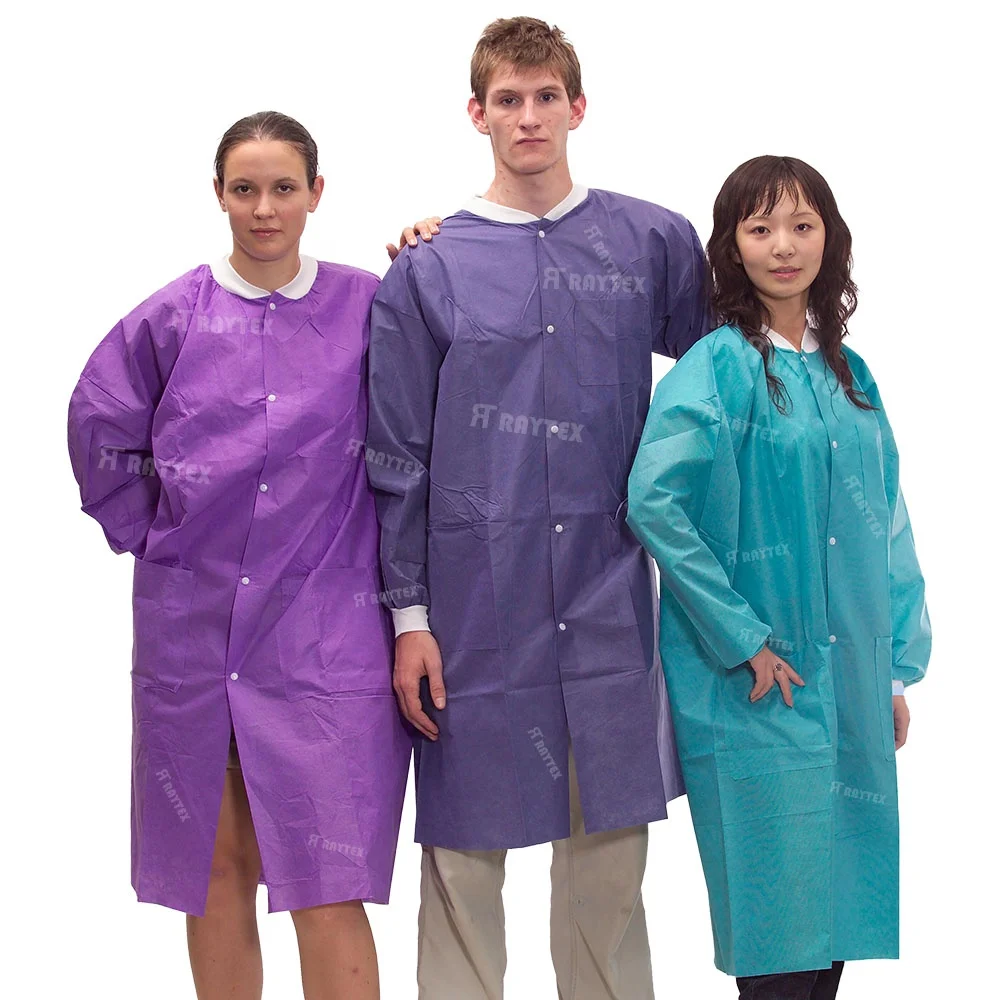
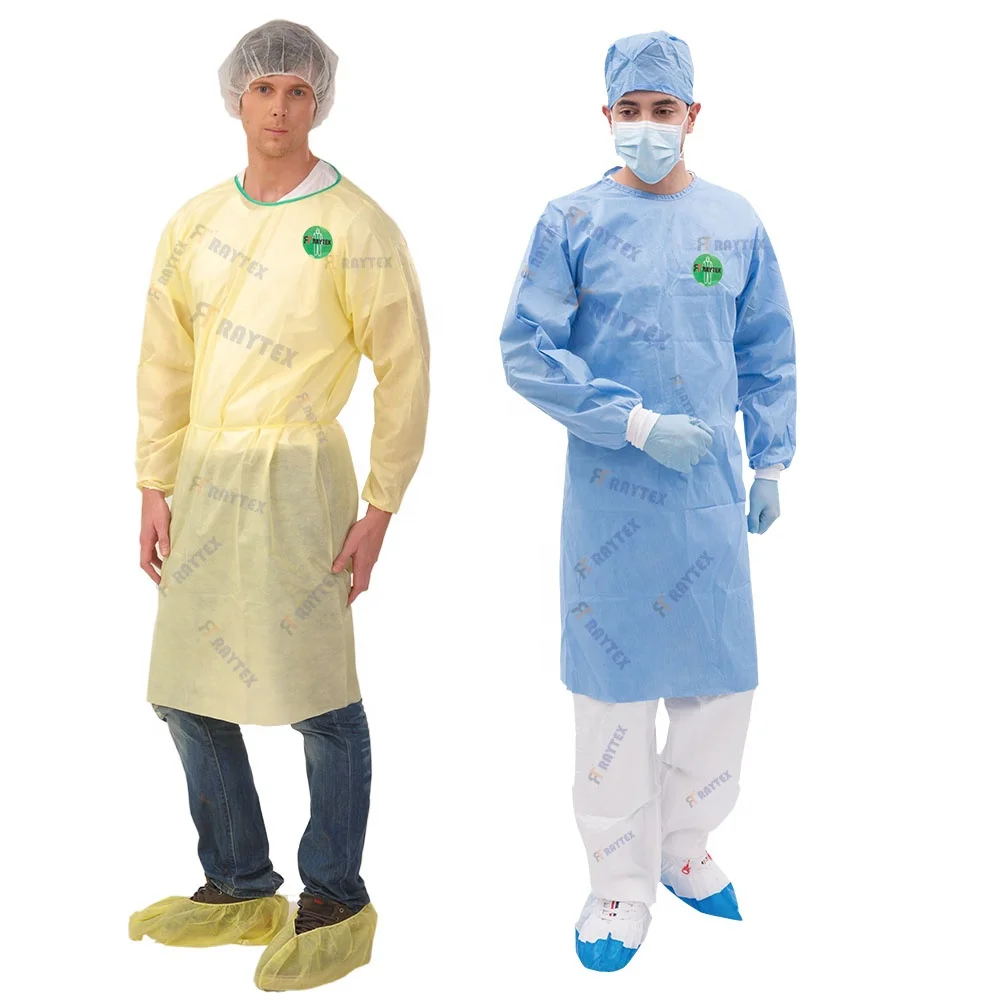
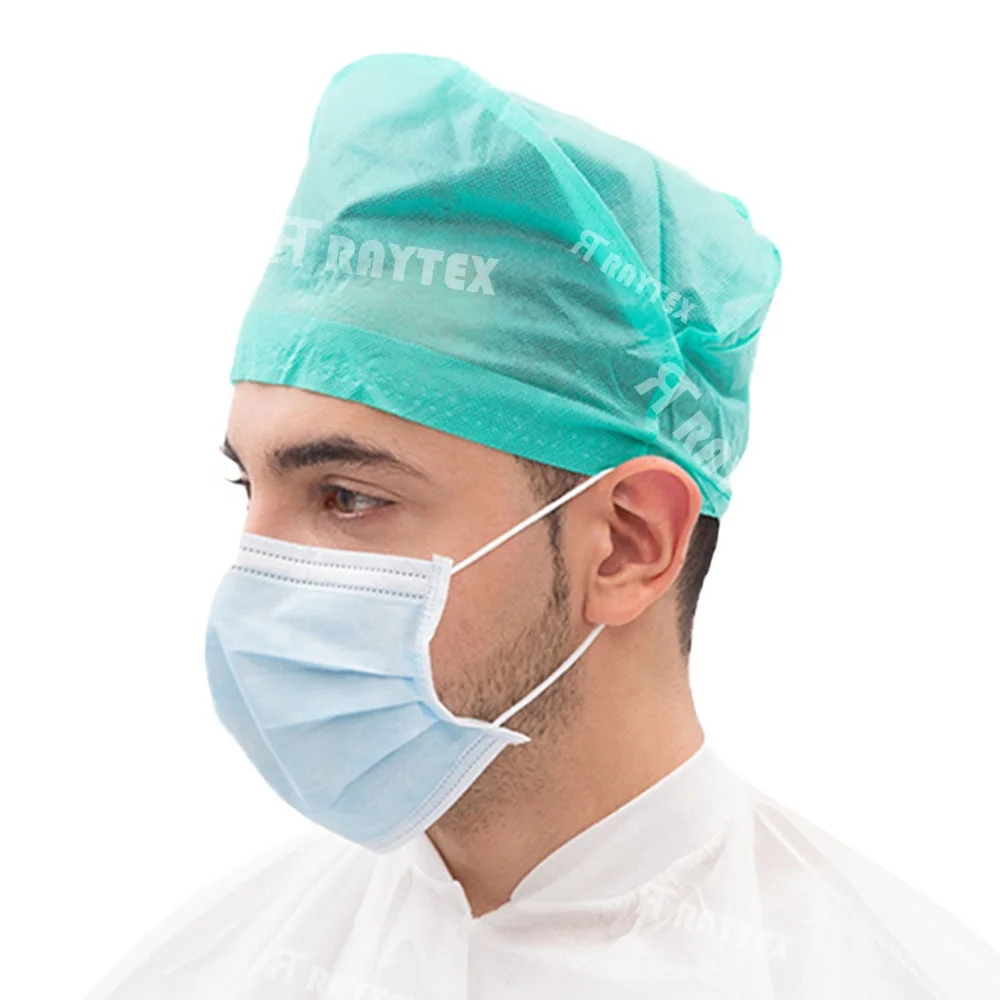
Since 2020, hospitals across the country are reporting around four times more requests for disposable nonwoven coveralls, mainly because infection control rules got way tighter after the pandemic hit according to WHO data from last year. These protective suits help fill some big holes in personal protection equipment usage, especially where risks are highest such as ERs and cancer treatment areas. The material is called SMS fabric short for Spunbond-Meltblown-Spunbond technology. It stops about 98 percent of microbes that are one micron or bigger, yet still lets air through pretty well with around 400 grams per square meter over 24 hours of moisture passing through. This combination of protection and comfort something most reusable options just can't match makes them really valuable during outbreaks when staff need reliable gear fast.
| PPE Type | Contamination Prevention Rate | Compliance Rate |
|---|---|---|
| Disposable | 99.8% | 94% |
| Reusable | 76% | 68% |
| Data from EPA-regulated facilities (2022), comparing single-use vs. reusable PPE efficacy. |
In a hospital study from 2022, medical workers who wore EN 14126 certified disposable coveralls had about 89 percent fewer cases of cross contamination during flu season than colleagues still relying on old fashioned gowns. The design matters too – things like elastic cuffs around the wrists and built in hoods really help block those tricky spots where germs might otherwise get through, especially when doing risky stuff like inserting breathing tubes or cleaning wounds. These days, roughly two thirds of surgical teams across America insist on these non woven disposable coveralls whenever they're dealing with airborne particles. Makes sense really, since the Association of periOperative Registered Nurses has been pushing for better particulate control measures in recent years.
In industries that work with ISO Class 5 to 8 cleanrooms, disposable nonwoven coveralls have become a must because even tiny particles can mess up products. The semiconductor business needs less than one particle per cubic centimeter when making chips smaller than 10 nanometers. Meanwhile, pharmaceutical companies stick to ASTM F2100 Level 3 standards as their defense against microbes getting into medications. Looking at data from a recent 2023 audit on cleanroom safety showed something interesting: around 7 out of 10 contamination problems traced back to people working there were actually due to poor protective gear. This finding pushed many facilities toward switching to single-use nonwoven options across different sectors needing controlled environments.
Spunbond-meltblown-spunbond (SMS) materials dominate cleanroom applications due to their ability to retain particles below 0.1 µm. Key performance metrics include:
To enhance protection, leading manufacturers integrate anti-static carbon fiber threading into coveralls used during semiconductor wafer handling.
An FDA audit of 45 pharmaceutical sites in 2021 found that facilities using disposable nonwoven coveralls reduced particulate violations by 54% compared to those relying on laundered reusable suits. One biologics manufacturer eliminated 83% of sterility test failures after switching to EN 14126-certified nonwoven suits with sealed seams.
Robotic packaging lines and AI-powered airlock systems minimize human presence in modern cleanrooms. Where manual intervention is unavoidable, disposable coveralls equipped with RFID tags enable real-time monitoring of:
| Parameter | Monitoring Frequency |
|---|---|
| PPE wear time | Real-time |
| Barrier integrity | Every 15 minutes |
| Particulate generation | Per movement cycle |
This data enhances traceability and ensures timely PPE replacement.
Matching nonwoven materials to specific hazards is crucial. For semiconductor etching environments, select coveralls with >35 kV surface resistivity. In pharmaceutical fill lines, use suits tested under ISO 16604 for blood-borne pathogen resistance at 3 psi pressure. Industry-standard comparison tools help guide these decisions effectively.
Workers in industrial and construction fields deal with about 14 times more risk when it comes to breathing in tiny particles compared to those working in offices according to the Bureau of Labor Statistics from last year. For protection against dangerous stuff like asbestos fibers and silica dust that's smaller than 5 microns, disposable non woven coveralls rated under standard EN 1073-2 are pretty effective at stopping around 98% of these harmful particles during projects involving demolition work or building renovations. Recent checks on safety practices at several bridge reconstruction sites in 2024 revealed something interesting too. After switching over to using this type of protective clothing, there was roughly a quarter fewer cases where workers got contaminated by hazardous materials.
Modern disposable nonwoven coveralls combine ASTM F2703-rated materials with liquid-repellent finishes to guard against dual threats:
Teams conducting asbestos abatement now achieve 99.8% EPA compliance rates using disposable options, significantly outperforming laundered alternatives.
During a 12-month highway tunnel refurbishment project (2022–2023), teams reported:
These outcomes highlight the operational and financial advantages of single-use systems.
The construction PPE market is projected to reach $6.2 billion by 2032 (Market Research Future 2023), fueled by three key drivers:
Daily audits of disposable coverall protocols reduce contamination risks by 37% (Journal of Occupational Safety 2023). Essential practices include:
Sites using color-coded coveralls report 54% faster hazard zone identification during emergency evacuations, enhancing overall site safety.
Disposable nonwoven coveralls are vital for meeting FDA and HACCP sanitation standards in food production. Their low-shedding, high-barrier design minimizes bacterial transfer and particulate contamination. A 2023 USDA audit found that facilities using disposable nonwoven coveralls reduced microbial contamination risks by 29% compared to those using reusable garments.
Nonwoven coveralls do a pretty good job at stopping dangerous pathogens like Listeria and Salmonella from getting into our food supply. These microbes can really mess things up in places where food is processed. According to some tests published in the Journal of Food Protection back in 2022, these coveralls filter out around 99.7% of particles that are just 0.3 microns across. That means products stay protected throughout all those steps when workers slice them open, package them up, and inspect for quality issues. The research also shows these coveralls work well in damp environments, especially important in poultry processing plants where moisture makes everything stickier and harder to keep clean. Workers there often carry bacteria on their clothes without even knowing it, so having proper protection matters a lot.
A Midwest poultry facility saw a 42% drop in Campylobacter detection after switching to disposable nonwoven coveralls. The single-use design prevented cross-zone contamination, while breathable fabric improved worker compliance by 31% during long shifts.
In agriculture, these coveralls protect workers from pesticide residues and zoonotic diseases. They’re increasingly used by harvest crews handling leafy greens, where studies show a 53% reduction in microbial transfer from soil to crops. The tear-resistant material also withstands demanding tasks like livestock handling and equipment maintenance.
When disaster strikes, first responders need protective gear that's light enough to move in, comes already packed, and can be put on right away without delays. That's where disposable nonwoven coveralls really shine. These single-use suits let rescue crews get equipped quickly during emergencies like flash floods, major quakes, or hazardous material incidents. The numbers back this up too. Emergency management reports from last year show fire departments and hazmat teams saved around 40 minutes per incident switching from traditional reusable gear to these lighter alternatives during the March 2023 flooding crisis. For crews racing against time, those minutes can make all the difference between containment and catastrophe.
Engineered to resist liquid chemicals, airborne pathogens, and radioactive particles, these coveralls offer multi-hazard defense. Constructed from nonwoven polypropylene layers compliant with EN14605, they withstand pressurized jets and corrosive substances. During a 2022 train derailment involving toxic chemicals, responders reported zero exposure injuries when properly rated disposable coveralls were used.
California’s 2023 wildfire season demonstrated the dual utility of flame-resistant disposable coveralls. Firefighters near industrial burn zones used them to block embers and contain carcinogenic ash. Post-event health screenings revealed an 82% decrease in particulate inhalation cases compared to crews in traditional gear.
Regional stockpiling ensures rapid response during overlapping crises. Agencies maintaining at least 500 disposable coveralls per 10,000 residents activated responses 18 minutes faster during 2023 hurricane-pandemic events. This strategy is now adopted by 73% of U.S. emergency coordinators.
Logistics teams handling pharmaceuticals, electronics, and hazardous materials implement daily disposable coverall protocols to prevent cross-contamination. A Midwest distribution hub reduced product recalls by 63% in 2024 after adopting this practice, reinforcing the role of disposable PPE in securing hygienic supply chains.
 Hot News
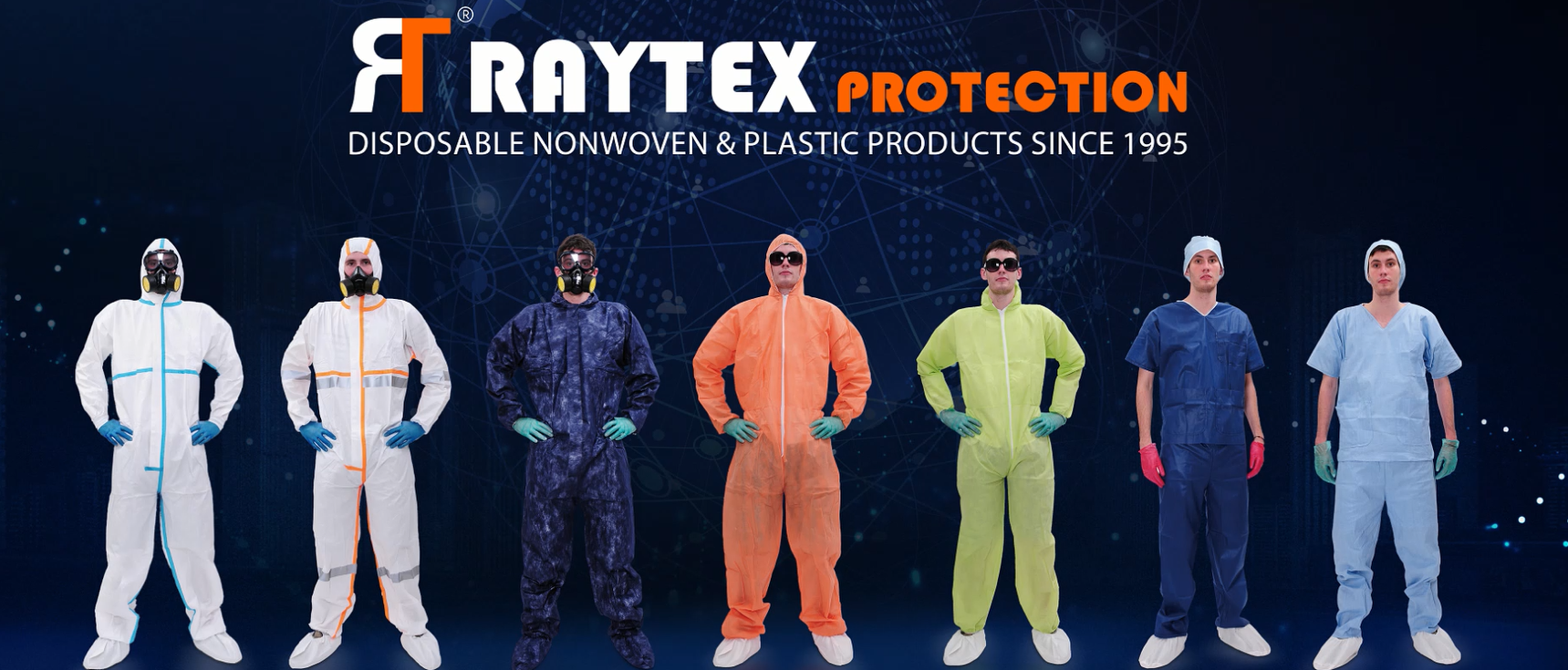
Wuhan Raytex Protection Co., LTD offers a wide range of disposable non - woven and plastic PPE. Our products, including coveralls and shoe covers, are used in various industries. With multiple international certifications, we ensure high - quality. We support OEM & ODM, provide customized solutions, and have a large - scale factory. Exported globally, we\'re here to meet your PPE needs.
RM112, F11, 1 Corporate Avenue, No. 1505 Zhongshan Avenue, Jiang'an District, Wuhan City, Hubei Province, 430014, China
Copyright © 2025 by Wuhan Raytex Protection Co., LTD Privacy Policy
 EN
EN